
Triple-Decker Painting in Boston

Triple-Decker Painting in Boston
Boston runs on triple-deckers — the three-story, three-family wood-frame homes built mostly between 1890 and 1930 across Dorchester, Jamaica Plain, Roslindale, South Boston, and beyond. They're the backbone of the city's neighborhoods, and painting one is nothing like painting a standard single-family house. Ryan Painting Co paints triple-deckers week in and week out. Here's what actually goes into doing it right.

Why a triple-decker isn’t a normal paint job
1. Three stories of height and access
The top-floor trim, cornices, and dormers sit 30–40 feet up. That means staging, extension ladders, and crews who are comfortable and safe working at height — not a one-ladder afternoon.
2. Wood clapboard and detailed trim
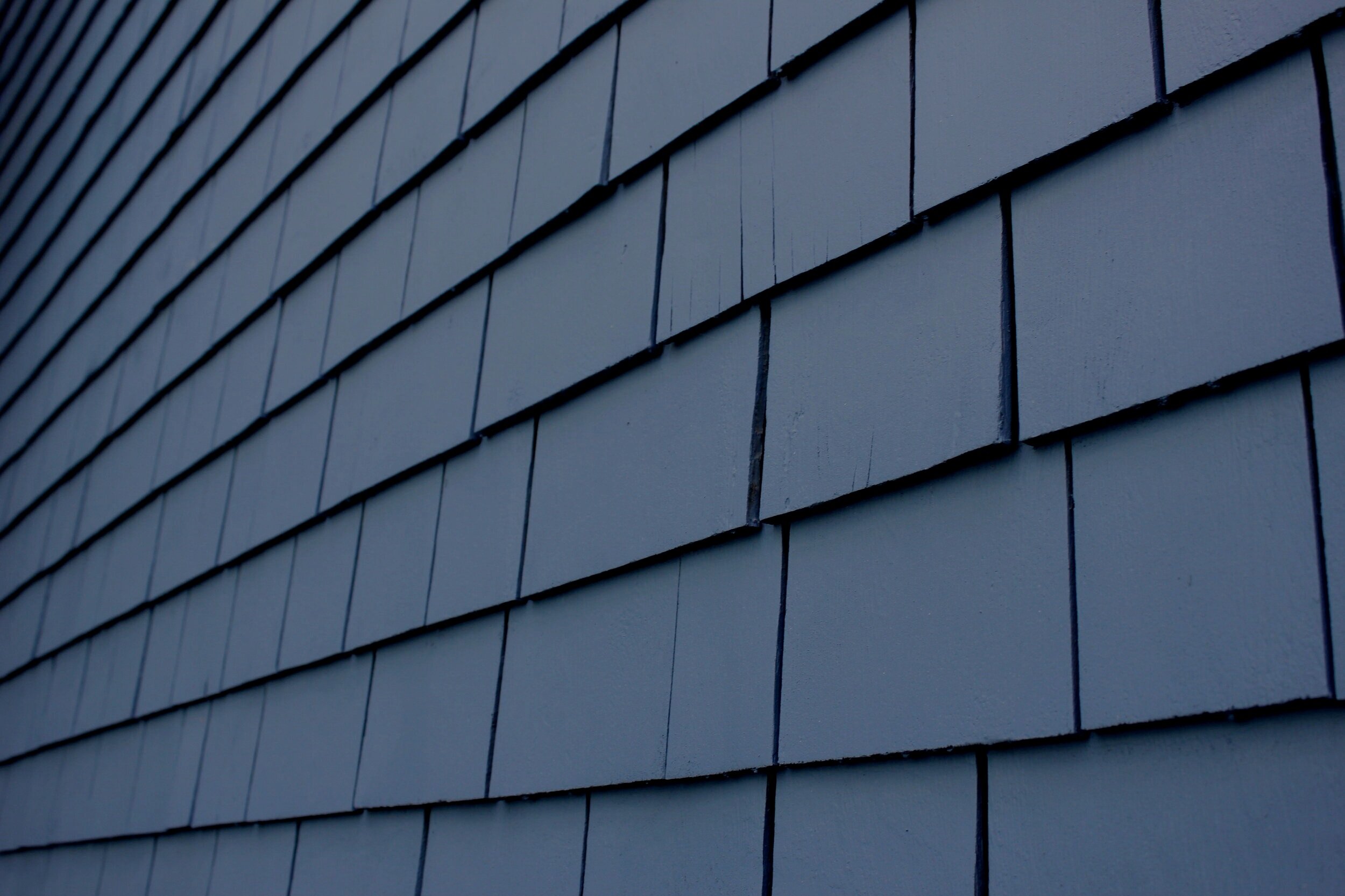
Most triple-deckers are wood-sided with decorative cornices, window casings, corner boards, and bracketed eaves. That detail is what makes them beautiful and what makes prep and cut-in slow, skilled work.
3. The porches (the "piazzas")
Stacked front and back porches take the hardest weather and foot traffic in the whole building. Floors, ceilings, rails, balusters, and columns each want the right coating — porch-floor enamel is not wall paint — or they fail in a season.
4. Pre-1978 = lead paint.
Nearly every original triple-decker predates the 1978 lead-paint ban. Any exterior scraping or sanding legally requires EPA RRP lead-safe practices — containment, HEPA cleanup, proper disposal. This protects your tenants, your neighbors, and you as an owner (see FAQ).
5. Multi-family logistics
Two or three occupied units, shared entries, tenants with schedules and cars. Sequencing the work so people can live and park while you paint is half the job.

Our painters take pride in their work, and it shows in the results we deliver on every job.

Exterior triple-decker painting
The exterior is where triple-deckers live or die. Our exterior process:
Wash and assess — remove dirt, chalk, and mildew; identify failing areas and rot.
Lead-safe scrape and sand — remove failing paint down to a sound edge using RRP containment on pre-1978 homes.
Carpentry and repair — replace rotted clapboard, sills, trim, and porch members before paint, not after. We handle the common triple-decker rot points: porch floors, column bases, and lower clapboard courses.
Prime bare wood — spot-prime or full-prime with the right primer for the substrate.
Caulk and fill — seal joints and gaps so water stays out.
Two finish coats — brushed and rolled (or sprayed and back-brushed) in a quality exterior acrylic built for New England freeze-thaw.
Interior & unit-turnover painting

For landlords and owner-occupants, interiors are usually about turnovers and repaints between tenants:
Fast, clean unit repaints scheduled around move-out/move-in dates.
Plaster and drywall repair — most triple-deckers have original horsehair plaster that cracks and needs skim-coating for a smooth finish.
Durable, washable finishes in high-traffic stairwells and shared entries.
Low-odor, low-VOC paints so units are rentable fast.
Small interior projects — a unit, a stairwell, a couple of rooms — can be quoted instantly online with no site visit (see below).
Some of the neighborhoods we paint triple-deckers in
-

Jamaica Plain
-

Roslindale
-

South Boston
Get your triple-decker quote
Small interior project? Price it yourself online in minutes — no waiting for a callback.
Full building, exterior, or multiple units? Those need eyes on the height, prep, and porch condition to price honestly.
FAQs
Do you have to use lead-safe practices on a Boston triple-decker?
Yes, on any home built before 1978 — which is nearly all original triple-deckers. Federal EPA RRP rules require lead-safe work practices (containment, HEPA vacuuming, careful disposal) whenever you disturb painted surfaces. Ryan Painting Co follows lead-safe practices as standard. It protects your tenants and neighbors and keeps you compliant as the owner.
How much does it cost to paint a triple-decker in Boston?
It depends heavily on height, the condition of the existing paint, how much wood repair is needed, and whether it's exterior, interior units, or both. A full three-story exterior with significant prep is a five-figure project; a single interior unit turnover is far less.
Can you paint while my tenants are living there?
Yes. Occupied triple-deckers are the norm for us. We sequence the work around units, entries, and parking so tenants can come and go, and we keep shared stairwells passable throughout.
Do you paint the porches and back stairs too?
Yes — porches, piazzas, stair treads, rails, and columns, with the right porch-and-floor coatings for surfaces that take weather and foot traffic. These are the first areas to fail on a triple-decker, so they get specific attention.
How long does it take to paint a triple-decker exterior?
A typical three-story exterior runs one to two-plus weeks depending on prep, weather, and carpentry. We give you a scheduled window up front, not an open-ended one.
Do you work with landlords on multiple buildings?
Yes. We handle turnovers and exterior repaints for owners with several units or buildings, with quoting and scheduling built for that.